If you tell an expat you are going to move to France this is probably what you will hear, even from people who do not describe themselves as French speakers. Several people I know in the village have asked me if I really want to move there and encouraged me to speak up if I have doubts. My husband is French and grew up spending summers in the village, but people who have known him since childhood worry that his not-fluent wife may not know what she is getting into. Part of why my answer is an enthusiastic “yes!” is because I know French people who would ask that question (and buy me two books about Truffles in French to “give me incentive to learn”).

“You know how isolated this place is in winter?”
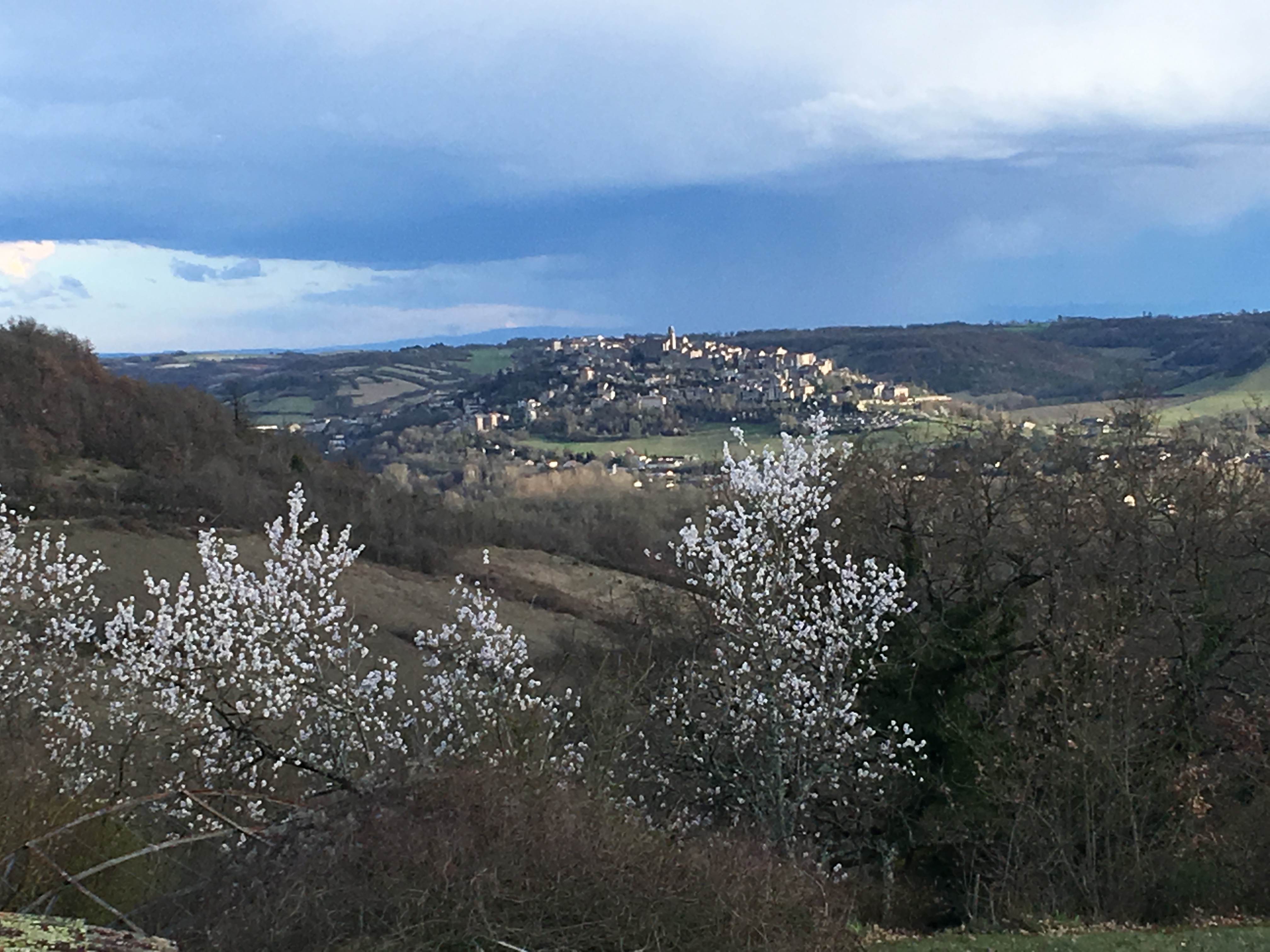
Our village is rural. It is beautiful, but rugged and isolated and winter is challenging. You hang out laundry in the morning and hope it will dry once the sun burns the fog off. It is the place young people can’t wait to leave, and many second home owners enjoy only at weekends and in summer. The one shop/post office/café closed 20 years ago There was almost a restaurant, but the person planning to open it died. There used to be a baker, in fact my husband worked there in the summer as a teen, rising in the middle of the night to learn to make croissants. There is no longer a school, and the church is only visited by an itinerant preacher a few times a year. There are excellent weekly markets in the two villages at the bottom of the hill, along with shops and restaurants, but the village is on a plateau so you can’t just casually walk there.

I have been following the most helpful Facebook page, “Expats move to France,” which I can’t recommend enough for anyone thinking of doing it (also “The Expatriate Adjustment Cycle”). Many posts discuss the difficulty of making friends in the new French location, and that is certainly an issue wherever one goes.
Wikipedia says the full-time population of the village is 212, although that does not yet include us. The mayor (who I will write about later) just died, so make that 211. Of those, I know two very well along with the sister and husband of one of them who do not live in the village, but who we spend time with when they are here in summer; I know the children of both couples somewhat; and I have kept company with a dozen or so others through my mother-in-law. I do know a few people who do not live in the village, among them the amazing women who help care for my mother-in-law (without whom we would literally be lost). I know a full-time ex-pat (from South Africa) and am on short conversation-terms with a few other expats from the surrounding area who I generally run into at the market. And I have known my mother-in-law’s English summer neighbors for decades and am glad they are now making maximum use of the Schengen 90-days at a time rule. That’s it. A lot of people who know the family know who I am, and several recognize me and nod or speak a greeting even if we are outside the village. That feels good!
But, honestly, that is what it was like in the New Jersey town where we lived but did not work (even though my husband actually grew up there). What will be different when I move to France full-time is that I won’t be able to grab coffee or dinner with the friends I have worked with for three decades, and won’t be able to hop in my car for a weekend of writing with my long-time co-author and friend Becky Howard. I’ll have a simulacrum of that via FaceTime, but too often at first I’m sure it will feel like the covid lockdown all over again.
I’m coming anyway
In other words, I think know what I am getting into, but undoubtedly I don’t. Nobody ever does, and I was miserable when I moved to the US four decades ago so I don’t expect an easy ride once I move to France full-time. Culture shock is real, even in a language you think you speak (British to American English for example), so way worse in one you don’t. So much cultural nuance is transmitted through language, and I think in my case cultural block has led to language block. Lessons will begin again soon and undoubtedly I will get to know others in my situation, which also undoubtedly will help. In many ways I started this blog to help me track my experience and remember to slow down and reflect — and organize the sparks of joy I currently post to social media and know I will need to remember to look for.
In December I will relocate for 8 months on a research leave, return to the States for 4 months, and then return again on Sabbatical in Spring/summer 2027. Most of our possessions are in the house we own where my husband lives most of the time, the hub of his 94 year old mom’s extended care network. My 16 year old cat is relocating with me in December — if the USDA fills out and returns the required paperwork by my departure date (the process is quite an adventure [more about that here].
I hope to relocate myself by the end of 2028.
Let the adventure begin
